Burapha University Researcher Participates in Polar Research Project Under the Royal Initiative of Her Royal Highness Princess Maha Chakri Sirindhorn
The Foundation for the Promotion of Science and Technology under the Patronage of Her Royal Highness Princess Maha Chakri Sirindhorn has initiated a royal project to send Thai researchers to participate in polar science research, with the aim of advancing Thailand’s polar science capabilities to international standards.
A Memorandum of Understanding (MoU) on polar science cooperation has been signed between the National Science and Technology Development Agency (NSTDA) and the Chinese Arctic and Antarctic Administration (CAA). Additionally, an MoU on polar research cooperation has been signed between five Thai agencies, including NSTDA, Chulalongkorn University, Burapha University, the National Institute of Development Administration, and the National Astronomical Research Institute of Thailand 1 (NARIT), and the Polar Research Institute of China. The objective is to foster cooperation in polar research in various fields to support preparations for climate change.
Over the past 10 years, 34 Thai scientists and researchers have had the opportunity to conduct research in the Arctic and Antarctic under this collaboration. In 2023, Thailand sent three researchers to join an Antarctic expedition, one of whom was Mr. Nipat Pinpradub, a master’s student in the Department of Aquatic Science, Faculty of Science, Burapha University, who participated as a research assistant.
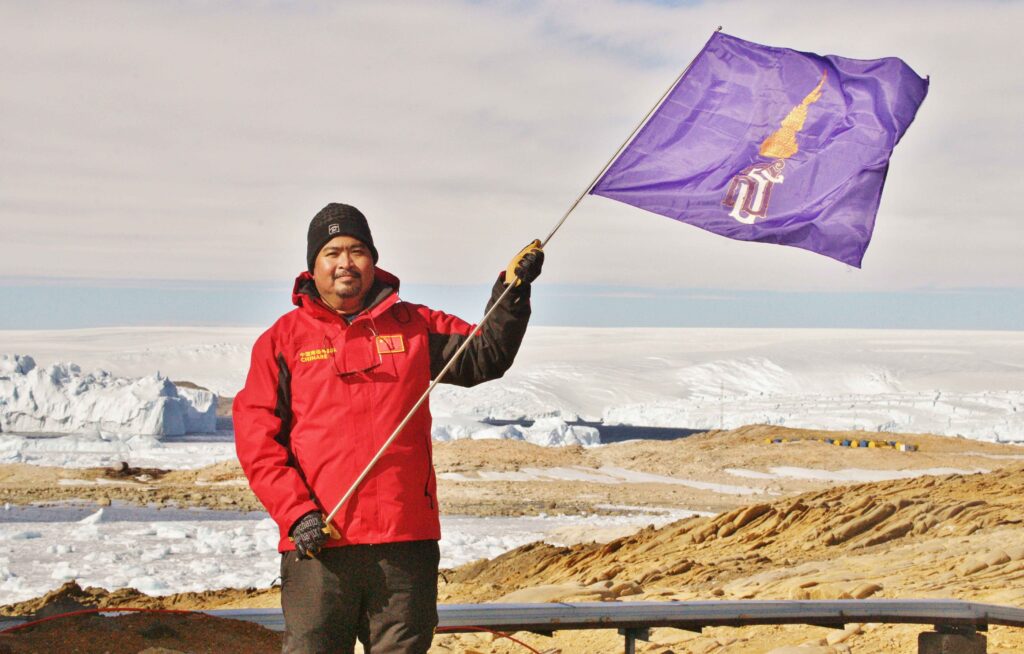
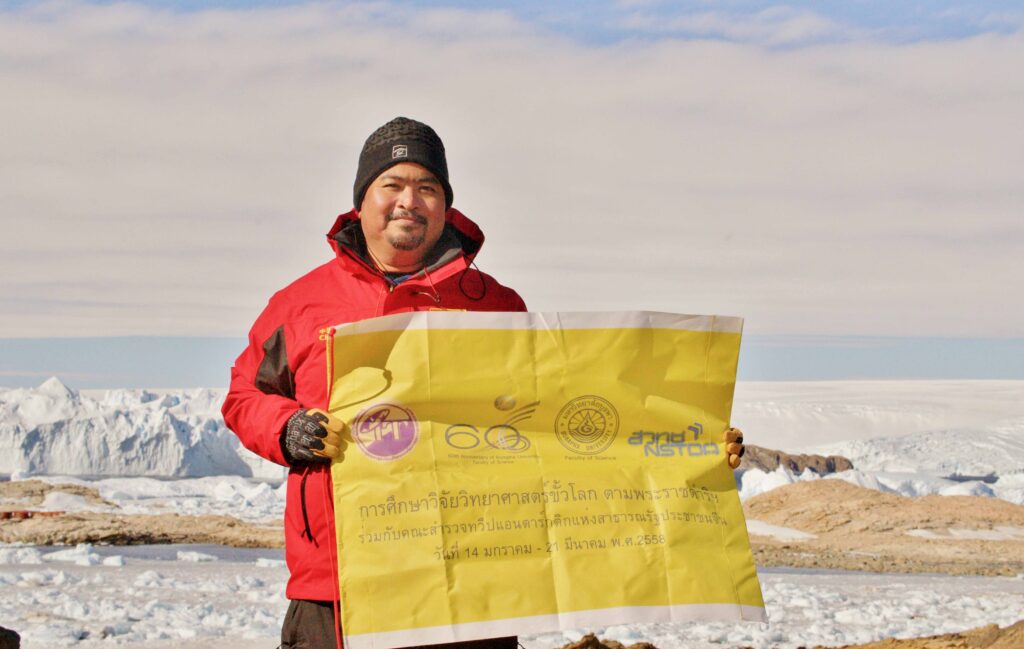
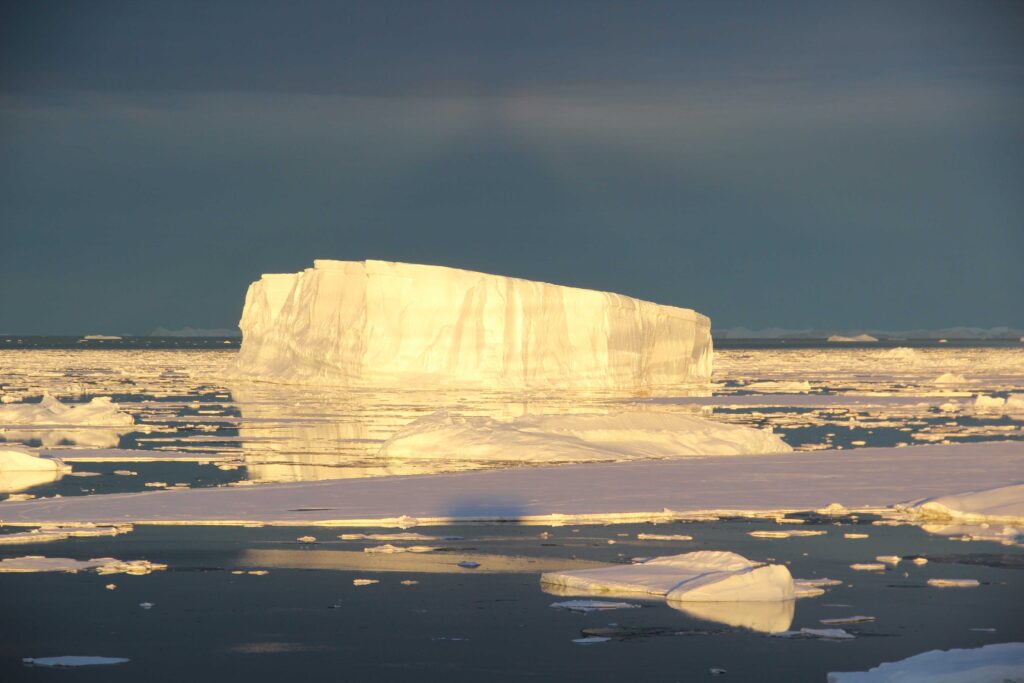
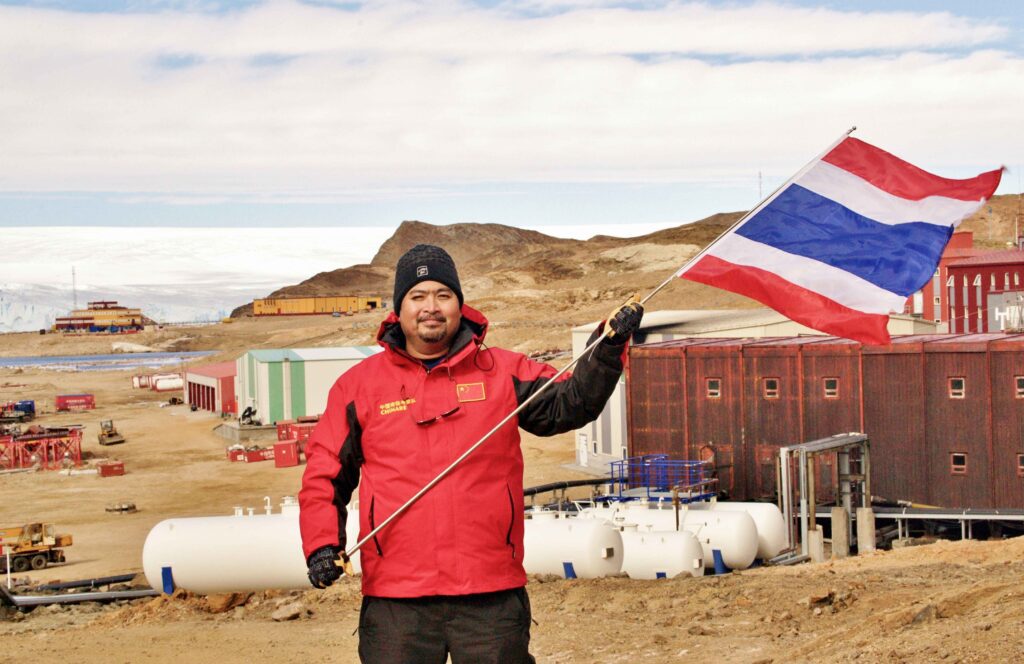
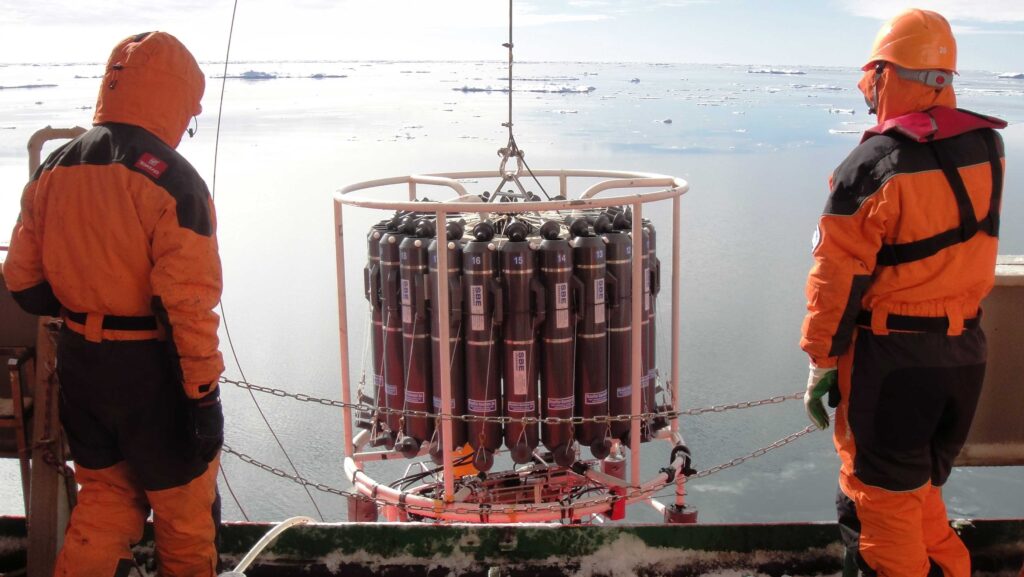
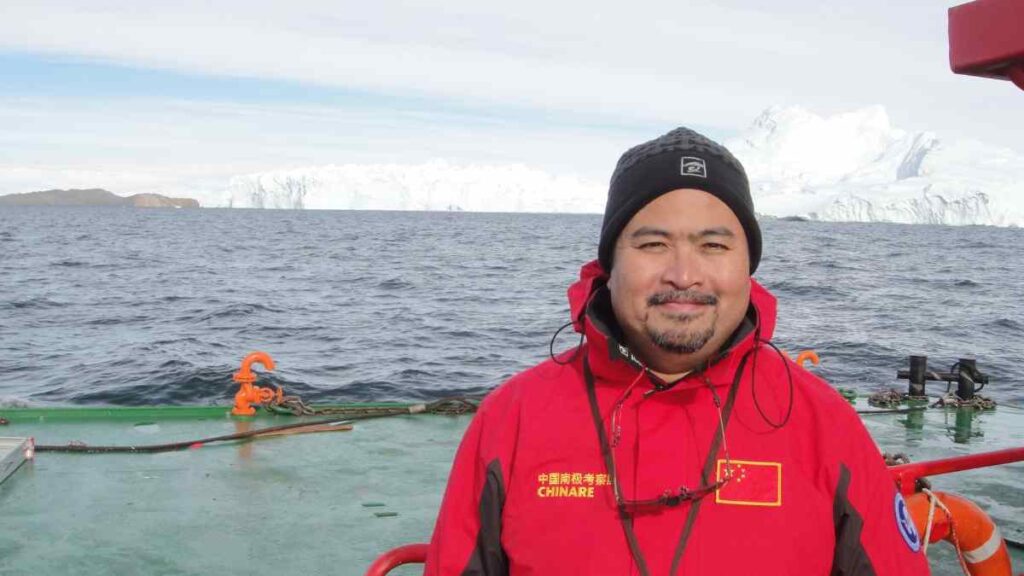
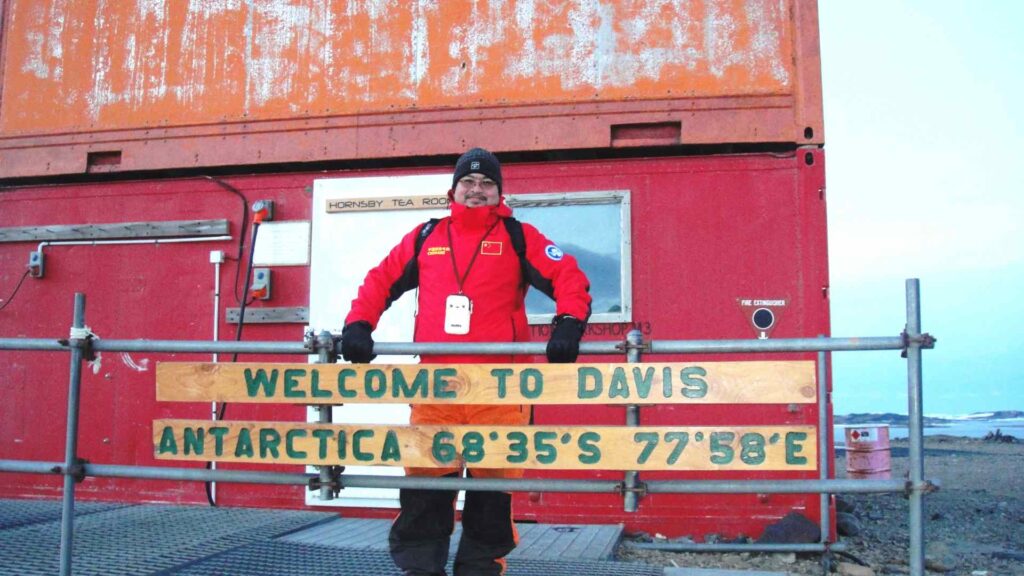
The first Burapha University personnel to participate in this project was Assoc. Prof. Dr. Anukool Booranaprateep, a lecturer in the Department of Aquatic Science, Faculty of Science, Burapha University, and an expert in oceanography. He had the opportunity to conduct research in the harsh environment of Antarctica, traveling by ship through rough seas and spending two months collecting data in a remote research station.
In this interview, Assoc. Prof. Dr. Anukool shares his experiences from a decade ago.
Interviewer: We heard that you were a researcher who participated in the polar exploration project. Can you tell us more about this project?
Assoc. Prof. Dr. Anukool: This polar exploration project is a collaboration between the Thai and Chinese governments and is under the royal initiative of Her Royal Highness Princess Maha Chakri Sirindhorn. In 2013, Her Royal Highness visited China and discussed this cooperation, which marked the beginning of the project. The foundation under Her Royal Highness’s patronage then continued to develop this project, leading to the sending of Thai scientists to explore the polar regions, either the Arctic or the Antarctic, depending on the opportunities available each year.
Interviewer: How did you get involved in this project?
Assoc. Prof. Dr. Anukool: They saw my potential. For expeditions to remote areas, I think the most important thing is having someone who can work at sea for a long time because working at sea is quite demanding and it’s difficult to adapt in a short period. The agency was concerned that people sent on the expedition might not be able to adapt, which could affect the success of the mission. So, they thought that I, who had worked on ships frequently, could complete the mission successfully. Assoc. Prof. Dr. Waranop Wittayakarn, the head of the Department of Marine Science, Faculty of Science, Chulalongkorn University, contacted me at that time and asked if I was interested in going on an expedition to Antarctica. I immediately agreed.
Interviewer: In what year did you go on the expedition?
Assoc. Prof. Dr. Anukool: In 2015. This year, 2023, marks the 10th anniversary. I remember that in 2015, Burapha University celebrated its 60th anniversary, and it coincided with Her Royal Highness Princess Maha Chakri Sirindhorn’s 60th birthday.
Interviewer: What was your research topic at that time?
Assoc. Prof. Dr. Anukool: As an oceanographer, I researched seawater. It was about the sinking of seawater. Seawater has density. If the water is cold or very salty, its density increases, and it sinks deeper. We studied the impact of global warming. When the Earth’s temperature rises, the air temperature also increases, which in turn raises the temperature of the surface seawater. Scientists are concerned that if the temperature rises, the seawater will become warmer, making it more difficult for the water to sink, and the sinking rate will decrease. This has a direct feedback effect that intensifies the greenhouse effect. Because when the water sinks, it helps to carry carbon dioxide to the deep and store it. This is a crucial point of interest for scientists, and the Chinese scientific team was also interested in this, so we went to conduct research on this together.
Interviewer: How difficult was it to live in Antarctica for two months?
Assoc. Prof. Dr. Anukool : Before the trip, I was worried about working on a ship for months because I had never been so far away from home. I had worked on ships before, but never for such a long time. In this case, we had to explore a very remote area, so I was quite anxious. The main difficulty was something that most people experience when they go on a ship: seasickness. The area around Antarctica has the highest waves and winds in the world. So, when we sailed to Antarctica, we encountered very large waves, and the ship rocked a lot, causing everyone to get seasick, except for the captain, who couldn’t get seasick or else the ship couldn’t go on. To overcome this, we took seasickness medication and rested when the waves were calm. We found things to relax and do, like eating and socializing.
Interviewer: Could you communicate with the outside world while you were in Antarctica?
Assoc. Prof. Dr. Anukool: It was very difficult to communicate on the ship. This was one of the things that caused us stress because we are used to living in a world with social media. We use Facebook, email, and communicate with our family and loved ones all the time. But on the ship, we couldn’t use any communication devices because communication had to go through satellites and the Chinese network, which was very expensive. Sending a picture could cost a lot of money, so we couldn’t communicate for long. We might send an email once a day, and it would take about 4-5 hours for the email to reach our home, and then we had to wait another day to receive a reply. This made us worry and miss our families.
Interviewer: Why do we need to explore the polar regions if it’s so difficult?
Assoc. Prof. Dr. Anukool: The importance of exploring the polar regions is that we want to know what will happen after we have caused so much damage to the environment through global warming. We need to wait and see what the consequences will be. If we don’t explore, it’s like waiting for the impact to happen without doing anything. By exploring the Arctic and Antarctic, we can see the effects of global warming first. If the temperature changes, the ice melts, and the ecosystem changes, we will see it first. And the consequences will follow in other areas. Although we live in a tropical region, the impact may come later, but it will definitely happen one day. For example, the melting of polar ice will cause sea levels to rise, and we will definitely be affected.
Interviewer: We heard that there is now a representative from Burapha University participating in the project again. How is it going?
Assoc. Prof. Dr. Anukool: I need to clarify that I went on the expedition 10 years ago, but a team from Chulalongkorn University went before me. Over the past 10 years, researchers from various institutions have participated in the expeditions. This time, it was Burapha University’s turn because there are different institutions that take turns. Institutions like Chiang Mai University, the Royal Thai Army Cadet Academy, Chulalongkorn University, and Kasetsart University have participated. We were contacted and asked if Burapha University had a suitable student to be a research assistant for the Chulalongkorn University team on the Antarctic expedition. I agreed and tried to find a suitable student from our department, which is Mr. Nipat Pinpradub, a master’s student in the Department of Aquatic Science.
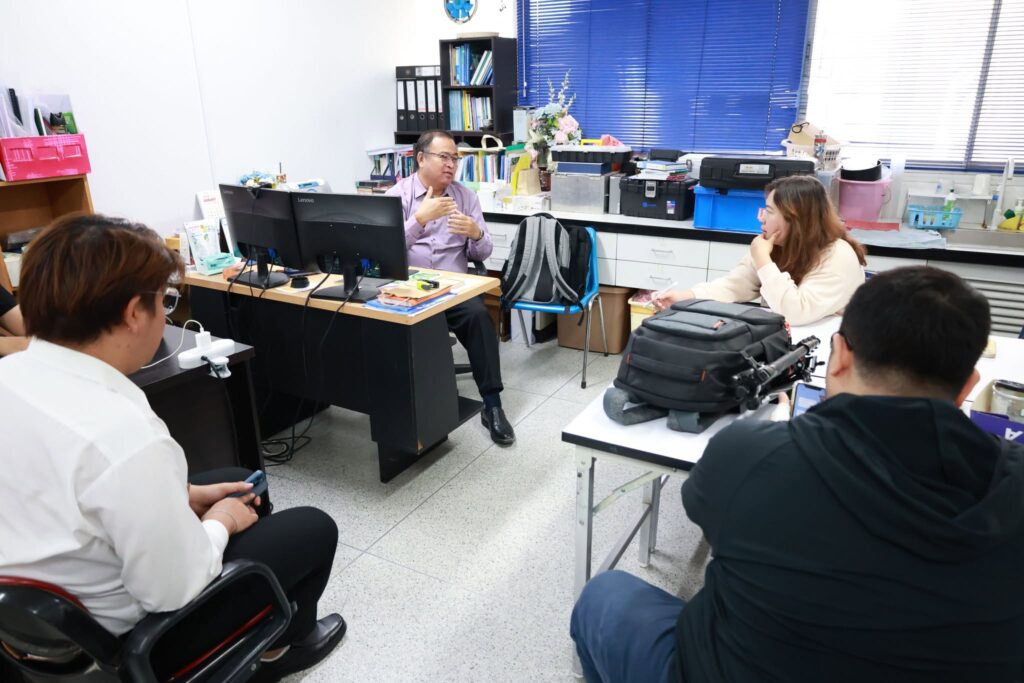
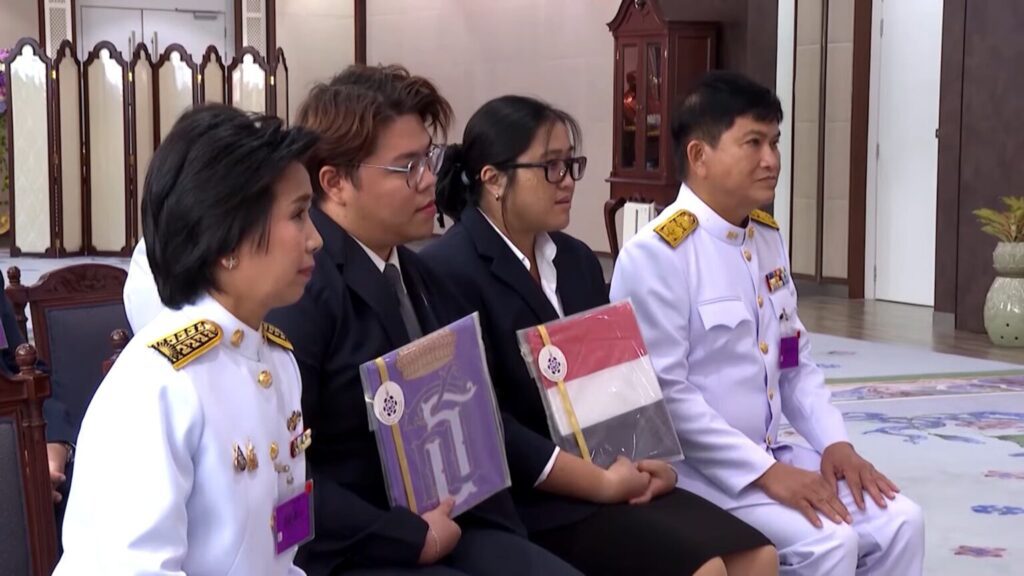
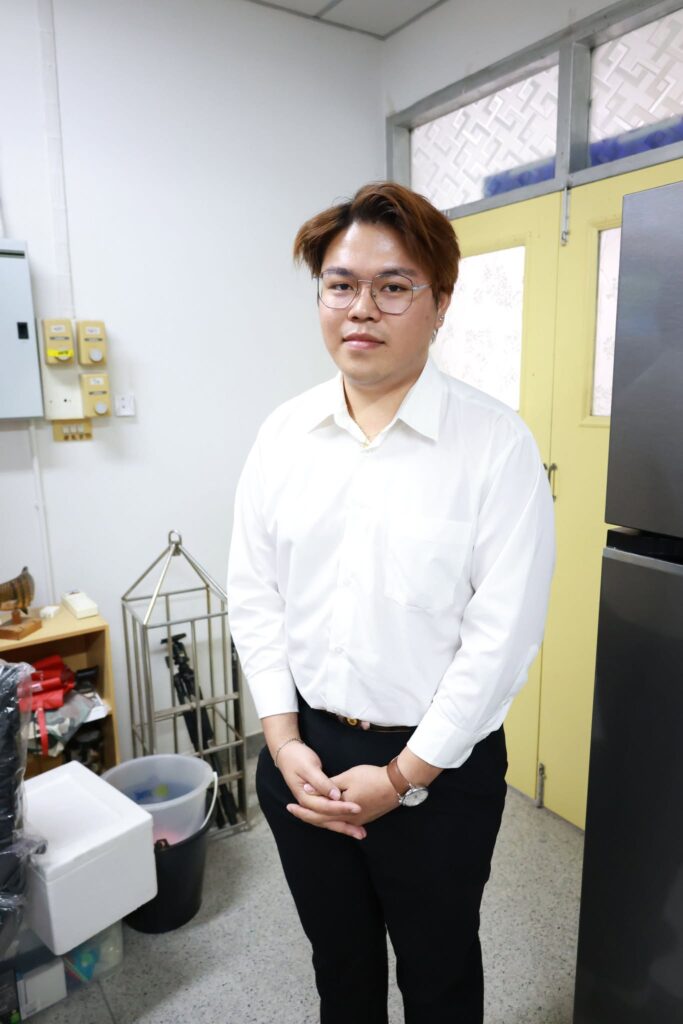
Mr. Nipat Pinpradub
Interviewer: How did you feel when you were nominated to be a research assistant on the polar exploration project?
Mr. Nipat Pinpradub: I was very excited because I had taken a course with Assoc. Prof. Anukool, and he showed us slides from his expedition, which was very exciting and interesting. When Assoc. Prof. Anukool contacted me and said that I would be representing the university on this project, I was even more excited. I felt that I would finally get to experience the actual expedition and have new experiences.
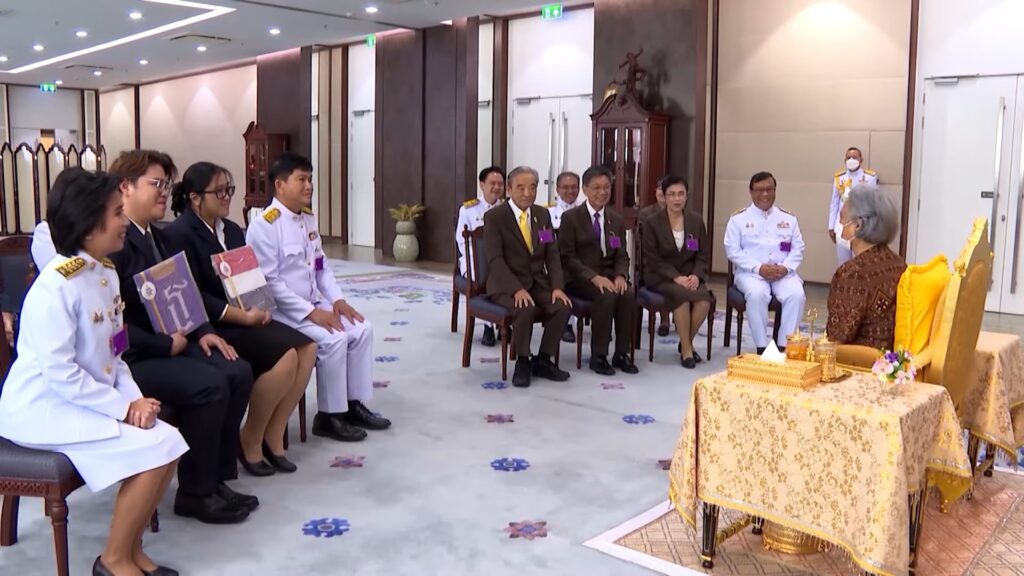
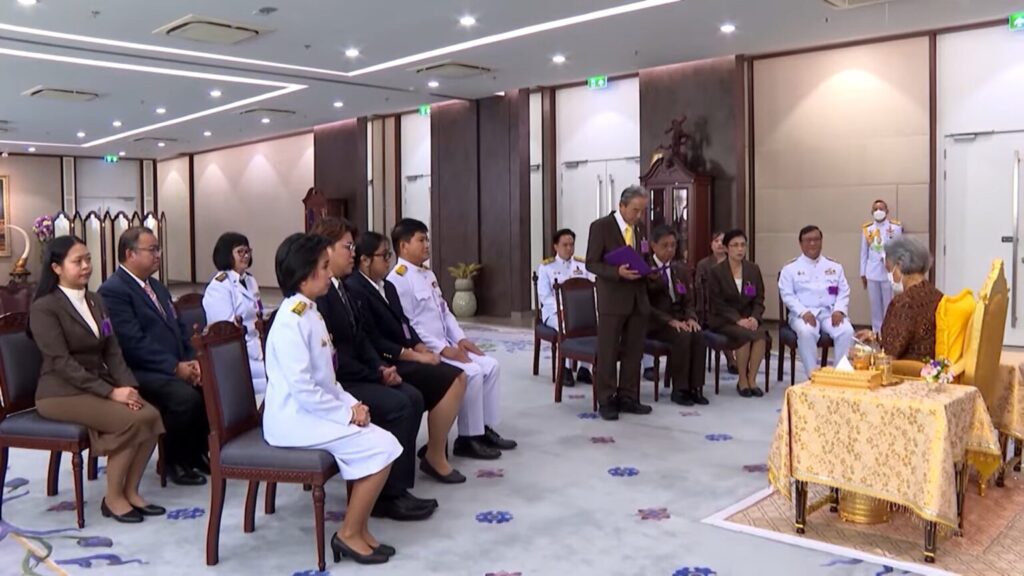
Mr. Nipat Pinpradub
Interviewer: Do you have any specific research topics that you are interested in?
Mr. Nipat Pinpradub: I am currently interested in research on currents and changes, or the impact of changing currents on aquaculture. Currently, currents flow normally according to the monsoon season. However, aquaculture, especially oyster farming, has expanded more than in the past. I am interested in studying how changing currents will affect the changes in currents if we hang oyster farms in the sea or install them in